The Goenka Experience

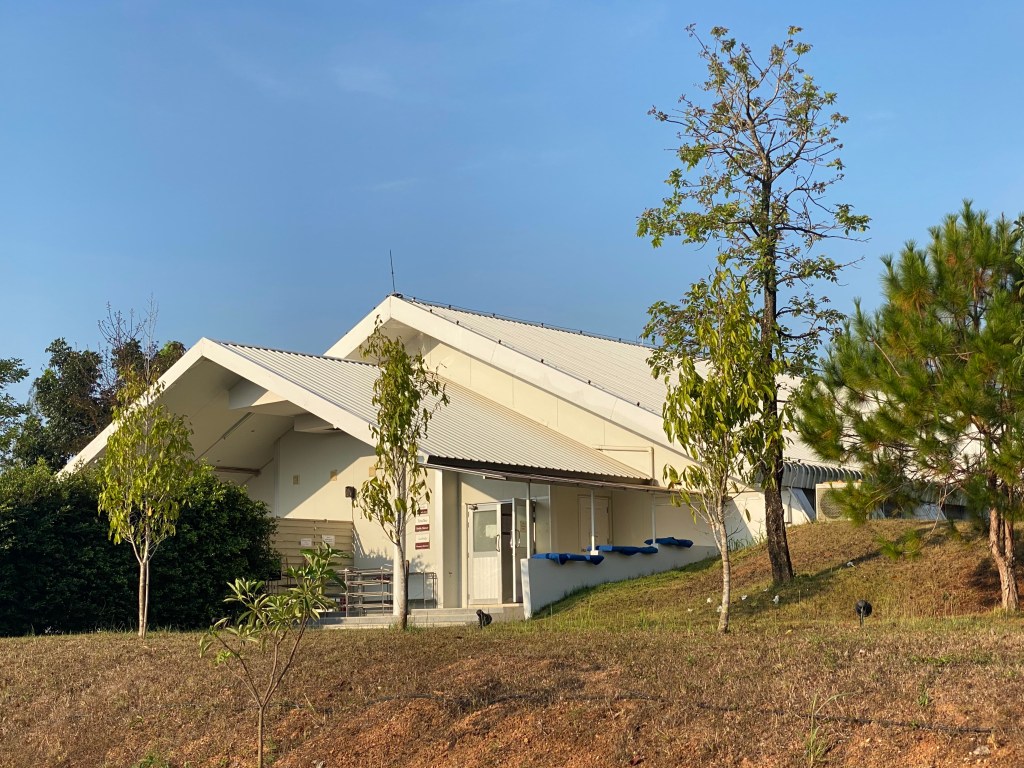
The meditation hall

I awoke to a buzzing noise. It was the morning of Day 3. We lost power yesterday evening. Was this a sign the power was back on? What time was it? 5:50 am. I was supposed to be up at 4. I was so tired I didn’t care. I’ll try to sleep through the buzzing, I thought. Then at 6 am the chanting started. Goenka’s chanting in Poli was being piped through the PA. Did he know I had been sleeping instead of meditating? Can he see me right now? Will I ever be allowed to leave this place?

Wait… what?

Great question. What the hell was I doing there? If my former self could only have seen me then.

I was on a 10 day silent Vipassana retreat at the Chantaburi Vipassana Centre in eastern Thailand. This was to be one of the major highlights of my sabbatical. A lifetime skeptic of mediation and all things Buddhist, I finally gave meditation a shot and began meditating regularly starting in December 2018. As I learned more about meditation I came to learn that 10 day retreats were considered a vital experience to progress in one’s practice.

A 10 day course consumes roughly 12 days as Day 0 is spent arriving at the center, checking in, orientation, and the first group meditation. Days 1 – 10 are spent sleeping, eating, meditating, and staring at the wall. Day 11 is spent having breakfast and traveling back from the center. Some people travel from far away to attend a retreat, so taking two weeks for an experience like this is common. If you’re employed, this amount of time puts you in a position where you must choose between a two week vacation, perhaps on a sandy beach sipping on cocktails, or 10 hours a day meditating in humble accommodations. Since I had 11 months to work with it was an easy decision to carve out some time for this experience.

Ok, sure. But, why?

Well, ok, fair enough. Let me back up some more.

Give this exercise a shot. Find a comfortable place to sit upright. Set a timer for one minute. Close your eyes and for the entire minute just notice your breath. You might notice your breathing most in the sensation of air passing through your nostrils, or maybe your chest rising and falling. Wherever you experience the breath most clearly, put your focus there and nowhere else. Go ahead, I’ll wait right here.

***

When I first did this exercise, it was surprising to me that I was unable to focus solely on my breath for a sustained period of time. I’d get a second or two in and I’d drift off in thought, only to realize many moments later what had happened. What was interesting to me was the realization that I wasn’t consciously creating my next thought. Thoughts seemed to just appear.

Strengthening my resolve to do nothing but focus on my breath did little to hand the reins back over to my own free will and choose my next thoughts. Instead of fighting these thoughts and trying to clear my mind of them, I instead learned to observe my thoughts like a spectator in a crowd. When a thought popped up, instead of immediately identifying with it and letting it carry me away, I simply acknowledged its presence.

This exercise broke a cycle I had been in my whole life. I hadn’t even known I was in a cycle, before I broke it. The cycle I mention was contemplation of my past or anticipation of my future. A constant replay of previous emotional wounds, moments of happiness I couldn’t experience again, and fears of what the future might bring. Thoughts of the past and future pop up in my brain constantly and carry me away from the present moment. What I had stumbled upon, through meditation, was a technique for breaking the spell of rumination and to return to the present moment and the world around me.

What’s so special about the present moment?

Being in the present moment can be the difference between hearing and listening to someone. When engrossed in a task and someone interrupts you it can be the difference between lashing out and greeting them with a warm smile. Through the practice of meditation I discovered layer upon layer of thoughts, insecurities, and fears that only served to distract my mind. In pulling back those layers I found myself available to the people around me in a way that has led to deeper connections, richer experiences, and greater empathy.

What is Vipassana Meditation?

The center describes it this way:

Vipassana is one of India’s most ancient meditation techniques. Long lost to humanity, it was rediscovered by Gotama the Buddha more than 2500 years ago. Vipassana means seeing things as they really are. It is the process of self-purification by self-observation. One begins by observing the natural breath to concentrate the mind. With a sharpened awareness one proceeds to observe the changing nature of body and mind and experiences the universal truths of impermanence, suffering and egolessness. This truth-realization by direct experience is the process of purification. The entire path (Dhamma) is a universal remedy for universal problems and has nothing to do with any organized religion or sectarianism. For this reason, it can be freely practiced by everyone, at anytime, in any place, without conflict due to race, community or religion, and it will prove equally beneficial to one and all.

Preparation

To attend a retreat like this it’s actually pretty straightforward. First consider the time of year and the destinations you’re willing to travel to for the retreat. Then head over to http://dhamma.org. This site includes a directory of centers around the world that all conform to the same methods and standards established by the Vipassana teacher S.N. Goenka.

You’ll need to plan at least a few months in advance. Most centers receive more requests to attend courses than they can accommodate. There is a waitlist option, but it’s best to set your calendar to remind you the day registration opens and get your application in that day.

The application is quite short. Aside from collecting some basic personal info at the start, some more personal questions are asked in an effort to screen out people who might not be well suited to undergo an intensive retreat such as this one. People on medications used to treat mental disorders, those seeking to treat psychological issues through mediation, and those with a history of drug abuse are reviewed carefully in the interest of the safety of the potential participant and the others attending the retreat.

After submitting my application I received a response within a couple weeks.

Experience

The schedule I kept during the retreat was the most regimented I’ve had since I was in school:

4:00 a.m. Morning wake-up bell
4:30-6:30 a.m. Meditate in the hall or in your room
6:30-8:00 a.m. Breakfast break
8:00-9:00 a.m. Group meditation in the hall
9:00-11:00 a.m. Meditate in the hall or in your room
11:00-12:00 p.m. Lunch break
12:00-1:00 p.m. Rest, and interviews with the teacher
1:00-2:30 p.m. Meditate in the hall or in your room
2:30-3:30 p.m. Group meditation in the hall
3:30-5:00 p.m. Meditate in the hall or in your room
5:00-6:00 p.m. Tea break
6:00-7:00 p.m. Group meditation in the hall
7:00-8:15 p.m. Teacher’s Discourse in the hall
8:15-9:00 p.m. Group meditation in the hall
9:00-9:30 p.m. Question time in the hall
9:30 p.m. Retire to your room
10:00 p.m. Lights out

It took some getting used to, to say the least. One of the stranger aspects of the experience was passing people at the center and not greeting them or even making eye contact. The practice of “Noble Silence” made me feel like a sociopath. That feeling slowly dissipated as I settled into the notion that my silence was to aid the others around me in their practice.
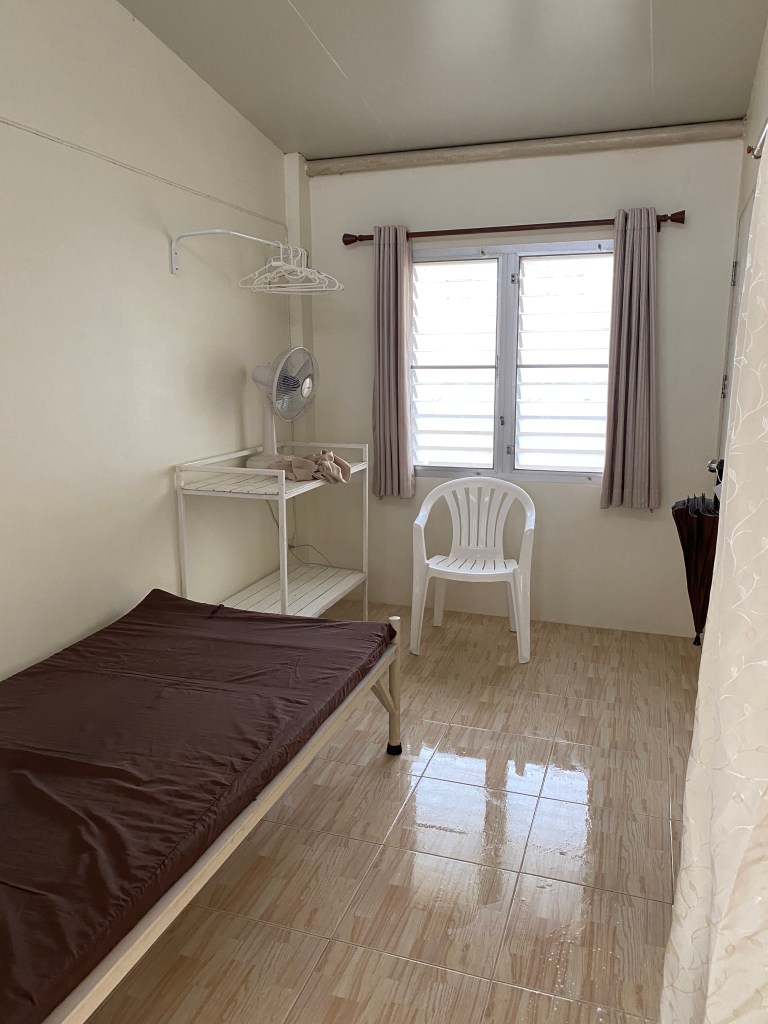
My digs

The center offered each student a private room with ensuite bathroom. It was humble, but comfortable. The mattress was a thin mat laid on an elevated wooden platform. At times I found it hard to sleep. This led me to consider just how much I take for granted in my life. Bringing your own food or holding currency or any means of payment while at the center is not allowed. I lived as a beggar, relying on the charity of previous students who had completed a 10 day retreat.

This is one aspect I appreciated very much. Attending a retreat costs nothing and only those who completed the 10 day course are invited to make a donation, large, or small. It warmed my heart to know that my stay there was provided by students much like myself that had benefited from participating at a retreat. It made me even more glad to pay that generosity forward at the end of my retreat.

Meals were buffet style with chairs and small eating surfaces facing windows or walls. The food was quite good. The vegetarian dishes were varied and all cooked at an adjacent building. Some of the best food I had while in Thailand was at the center. Participants fast in the evening, but new students could have a dinner amounting to tea and peanut butter sandwiches. I was able to adjust to this quickly. I never felt too hungry and my mind felt concentrated throughout the day.

A dedicated meditation hall is where each meditation session takes place. The hall is split with men on one side and women on the other. Meditation cushions are arranged in rows, with each cushion numbered. At the start of the course you are assigned a cushion and you maintain that cushion throughout the course.

There was some protocol to follow inside the hall. No water bottles. No shoes. No yoga/stretching. No moving of cushions, or switching out a cushion for a chair without the permission of the teacher. No pointing your feet in the direction of the assistant teacher. For the uninitiated, like myself, I didn’t know what to make of all the protocol. It felt vaguely like being in church. My takeaway after sitting the retreat was that the hall was meant to be as free of distractions as possible, so that you could focus solely on meditation.

The instructions for meditation and gentle guidance during the meditations were given through recordings from previous sessions taught by Goenka. This felt natural to me as I had learned to meditate through recorded guided meditations. The assistant teacher was on hand to offer guidance and answer questions, but instruction was completely left up to the recordings of Goenka.

The group sitting the retreat with me was made up mostly of women. One explanation I was given for this is that women are not allowed in Thai culture to join a Buddhist monastery. A retreat center like this is one of the few options a woman has to deeply practice meditation with others.

We were 15 men. 7 left over the course of the 10 days. The protocol of not moving cushions in the hall until the final meditation of the day would make it obvious when someone left. Their cushion sat there like a corpse, waiting to be carried out under the cover of night.

Why people leave is something I can only speculate about. Practicing noble silence does not allow the opportunity to understand the struggles of others. There were people I looked forward to speaking with after the retreat was over, but they disappeared without a word. Their empty rooms made me question if they ever existed.

Before the final meditation and giving of instructions for the following day, we would assemble for a “Dhamma Talk”, or “TV time” as I called it in my head. These talks were video lectures given by Goenka. They’re available to watch on YouTube. They are about an hour long and provide support in understanding the meditation practice. I wasn’t sure what to make of Goenka at first, but after watching several of his talks he won me over.

Reintegration
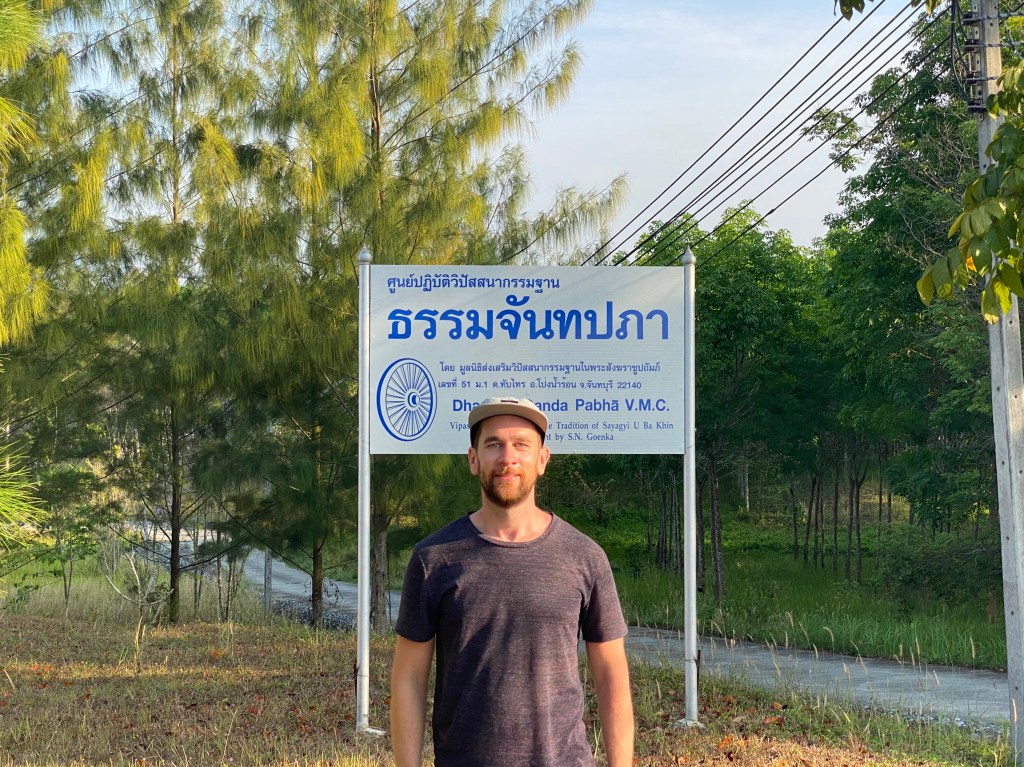
Mission accomplished

The morning of the 11th day I went to my locker and took out my phone, wallet, computer, and journal. The glow of my phone made me feel at once excited and filled with dread. Messages poured in. I screened the headlines. Was the world where I left it? Was everyone I loved ok? If there had been an emergency I would have been given a message from the center, so much of my fear was irrational. My first phone call was to my mother. It filled my heart with joy to hear her voice and to know her and my dad were well. It was a humbling moment for me when it set in how little my absence from the world had affected it in the grand scheme.

When I relate to the world, it is always with me at the center of the experience. Things happen to me. My eyes are the camera that zooms in and gives attention to what is around me. The world bends and moves based on my actions. Putting my life on pause for 10 days and then hitting the play button again broke that illusion.

The long car ride back to Bangkok passed quickly. It was unsettling to find myself in a city throbbing with energy. People talking on phones, cars buzzing by, cramming myself into train cars. Though I’ll never tire of the electric feeling I get from being in a vibrant metropolis, I returned to Bangkok with a weariness. I felt in that moment awake and present. I did not want to be carried away once again and live life in a dreamlike state.

What’s Next

Goenka recommends several things for students who want to continue in their meditation practice. Meditate one hour in the morning and one hour in the evening each day. Attend a 10 day retreat at least once a year. Volunteer at a 10 day retreat once a year.

I’ll be volunteering for a 10 day retreat at the Dhamma Sobhana Centre in central Sweden starting next week. Acting as a server is considered part of your development in mediation practice. It is not a form of payment for lodging and food.

Do Try This At Home

A 10 day retreat is a large commitment. Simply introducing meditation practice into your daily life is hard enough. For me, it all began with the Ten Percent Happier app. The courses The Basics and The Basics II with Joseph Goldstein started me down a path that has led to meditation being a daily part of my life and a completely new way of viewing myself and the world around me.

A book I can recommend is The Art of Living. It is written by William Hart, who sat for courses conducted by Goenka. He wrote the book in collaboration with him. The audiobook is great as the quoted text of Goenka is presented as recordings of him speaking at previous retreats.

Wishing you way more than luck.

French Toast à la Mikey

French Toast Ingredients

  • Baguette (1/2 loaf)
  • Milk (1 cup)
  • Egg (1)
  • Sugar (1 tbsp)
  • Vanilla (1 tsp)
  • Butter (2-4 tbsp)

Goat Cheese Dip Ingredients

  • Soft spreadable goat cheese (1/2 cup)
  • Fig jam (1/4 cup)
  • Honey (smidge)
  • Sea salt (pinch)

Instructions

Cut baguette into small ovals and set aside. Whisk together milk, egg, sugar, and vanilla in medium sized bowl.

In a small dipping bowl mix with a spoon goat cheese, fig jam, and honey together. Once mixed add a pinch of sea salt. The measurements for the dip are only a suggestion. Find the ratio that tastes best to you.

Heat frying pan on medium and melt 1.5 tbsp of butter. Dunk pieces of bread in batter and place in frying pan. Melt additional butter to taste while cooking. Once underside is golden brown flip and add additional butter so both sides cook uniform.

Enjoy

Once plated I recommend cutting each slice in half and dipping the bread directly into the bowl of goat cheese dip. I like to add fruit such as raspberries, blueberries, strawberries, or bananas. For some added crunch I also add pecan and walnut pieces. Finish it all off with some maple syrup and a side of bacon. You’re worth it.

First Stop: Mexico

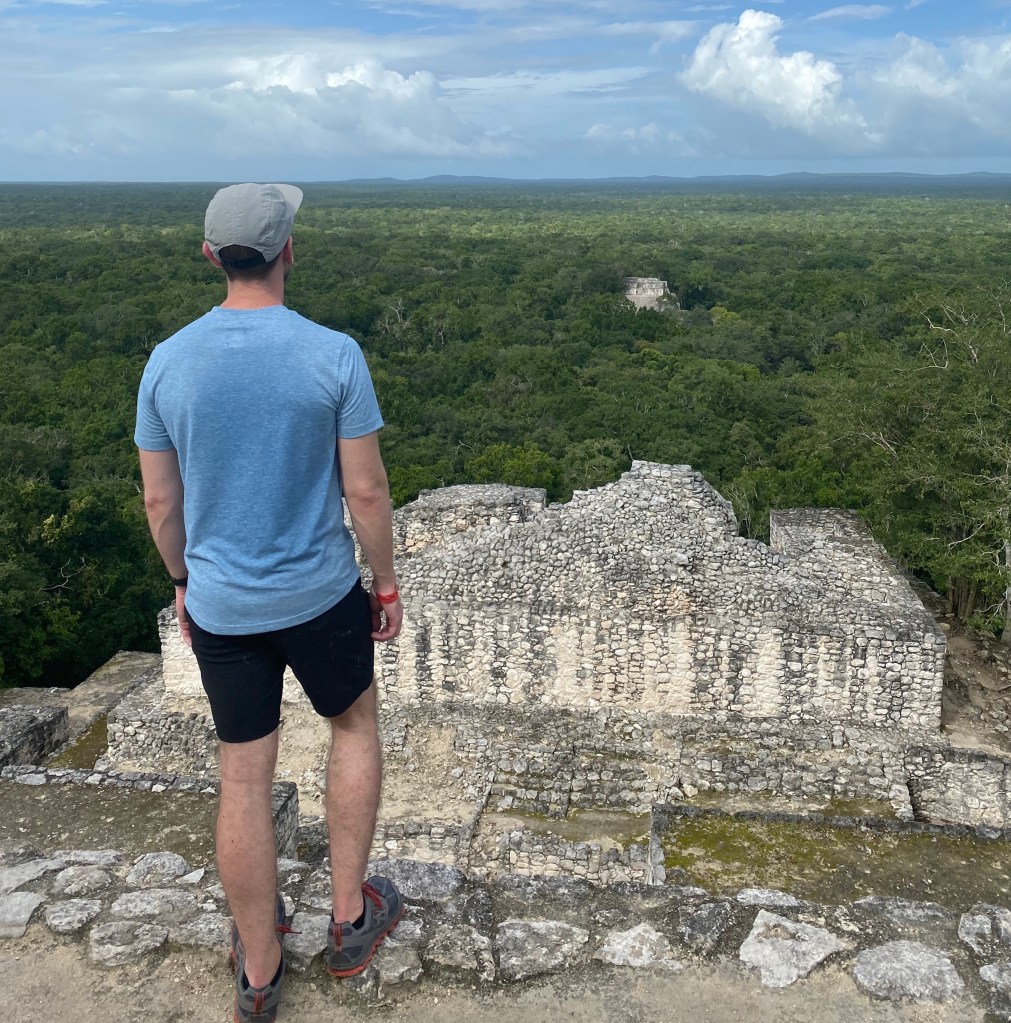
Standing on top of Structure II at Calakmul

Although Mexico was a neighbor country for most of my life, it took several decades to make my first visit. Mexico was my first stop on sabbatical before heading to South America. A work colleague had recently started staying in Mexico City and I figured this was my best opportunity to have an experience in Mexico that wouldn’t involve all-inclusive resorts and boozy beach days. 

Impressions

The question on my mind when visiting Mexico was how safe the areas were that I would be visiting. Depending on who you ask you’ll be told “only stay at a resort and never leave it”, or to “just relax, man”. It certainly depends on where you visit. The areas I visited all felt quite safe. I never felt a threat of violence from anyone I encountered. The only negative encounters were the people who politely try to rob you when driving a car, or one person while on a hiking trail. More on that below.

Having learned very little about Mexico in my formal education, this trip was a crash course of sorts in Mexican history and culture. From what I understand areas of Mexico are still contested, so the country is not completely unified. Some areas have no police force, or provide their own. Police pickups with machine guns mounted on the back roam the streets of Oaxaca City. Large military trucks barrel down the highways and through rural roads with camouflage clad men filling the beds in an apparent show of force.

The people are humble and have a sense of humor about the state of their country. To me Mexico is a country in transition. It seems to earnestly be working to shed its image as a violent drug cartel controlled land with a few green zones for tourists. For me, that effort was mostly successful.

Transportation

Plane

I took a flight from Miami to Mexico City. Something important to note is that when clearing customs you’ll fill out a form with a top and bottom portion which asks for identical information. The customs officer retains one part of the form and you the other. This is your tourist card. Hold onto this. You’ll need it when you are exiting the country. Other countries, such as Chile, operate with a similar system. If you misplace this card, it can be a headache when you are catching your flight out of the country.

The Mexico City airport is a great hub for getting around Mexico for regional flights. I flew to Oaxaca City from there and once my travels in Oaxaca were complete I flew from Oaxaca to Mexico City and then over to Cancún for my Yucatán adventures. I found upgrades such as seat selection with more legroom and additional baggage allowance to be quite reasonable.

Taxi

Upon arriving in Mexico City by plane, my first task was to find my way to my AirBnB in the neighborhood La Condesa. Given the late hour and my eagerness to get settled in I wanted to take a taxi. All three airports I flew into during my trip arrange taxi service in the same manner.

Inside the airport there is a desk that accepts cash or card. The person at the desk will ask you what your destination is. A flat rate fee is charged and you receive a receipt. Outside is a taxi stand area where an attendant will take your receipt which acts essentially as a ticket. The attendant shows you to a taxi, validates the ticket in front of the driver, and you hop in the taxi to be driven to your destination. This all appears to be in an effort to ensure the flat rate fee is honored and that there is no miscommunication between the passenger and driver.

What I was most impressed by was the kindness of the driver when I arrived at my destination. I had trouble figuring out the door code for the building I was staying in and he waited until he saw that I had gotten inside alright. Whether this was individual kindness, or some sort of initiative to make tourists feel welcome in Mexico, I don’t know.

In Mexico City Uber is available and quite cheap. Uber was not available in any of the other places I visited, though, so you’ll have to be comfortable arranging taxis on your own, through your hotel, or restaurant in much of Mexico.

Bus

I relied on bus service for my travels in the state of Yucatán. The company I used exclusively was ADO. It’s considered a first class bus service. The rates seemed reasonable to me. It’s easy to book with their website or phone app. The buses ran on time and the staff seemed to take the security of bags stored underneath seriously. You can choose your seat at time of booking and it’s quite comfortable even for longer rides like my trip from Cancún to Bacalar, which was about 5.5 hours.

Car Rental

Renting a car in Mexico is a mixed bag. So long as you know what you’re getting into you should do fine.

First off the price quoted if you booked online does not include insurance. It doesn’t matter if your credit card provides insurance, or you added insurance via Expedia when booking. The only insurance the rental company will accept is their own, it seems. This adds a significant cost to the initial quote. You can try to fight it, but it seemed futile to me.

Second, the roads in Mexico aren’t exactly in the best shape. Whether in Oaxaca City, on highways, or traveling on mountain roads, expect lots of potholes and topes. I opted for an SUV to get some additional clearance which goes a long way towards ensuring the undercarriage doesn’t get scraped.

Third, it’s a bit anything goes on the road. The breakdown lane is used as a slow lane and often drivers pass while halfway in the lane of oncoming traffic. City driving is particularly interesting as one must infer that at each street crossing you are required to stop and give way if another car is waiting. Most streets are one way in the city with an arrow indicating the direction of traffic. Driving in Mexico requires being a bit aggressive. Be prepared to be honked at a lot.

Fourth, expect to encounter fake tolls. Men will hold ropes across roads, or occupy abandoned toll booths and ask for what amounts to a few dollars. In my experience you can simply drive past them, or in another’s experience, wait them out to let traffic build up. There didn’t seem to be a threat of violence for non-compliance, but it doesn’t feel great being taken advantage of.

If that doesn’t scare you off, grab a car and hit the road! I drove around the state of Oaxaca and enjoyed being able to come and go as I pleased between different hiking destinations. It also made for some great travel stories. 

Destinations

Oaxaca

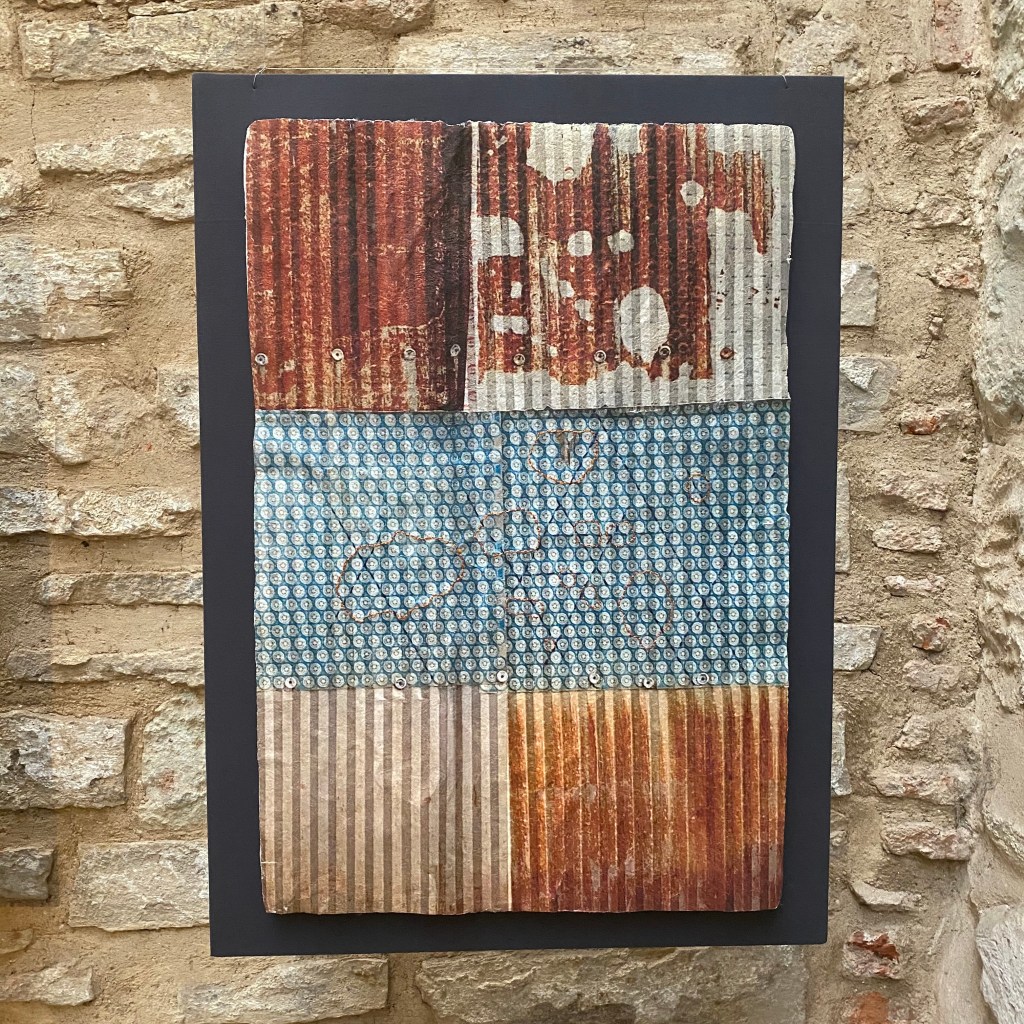
I flew into Oaxaca and spent a night in Oaxaca City. It’s a colonial style place with no tall buildings around. Lots of restaurants, churches, outdoor vendors, and music to enjoy. I particularly enjoyed the Museo Textil de Oaxaca.

From there it was over to San Miguel Amatlán for some hiking. The drive up has a lot of switchbacks as you climb your way up the mountain. The mountain ranges are beautiful. In the distance you can see clouds crashing into the mountain tops and pouring down the other side.

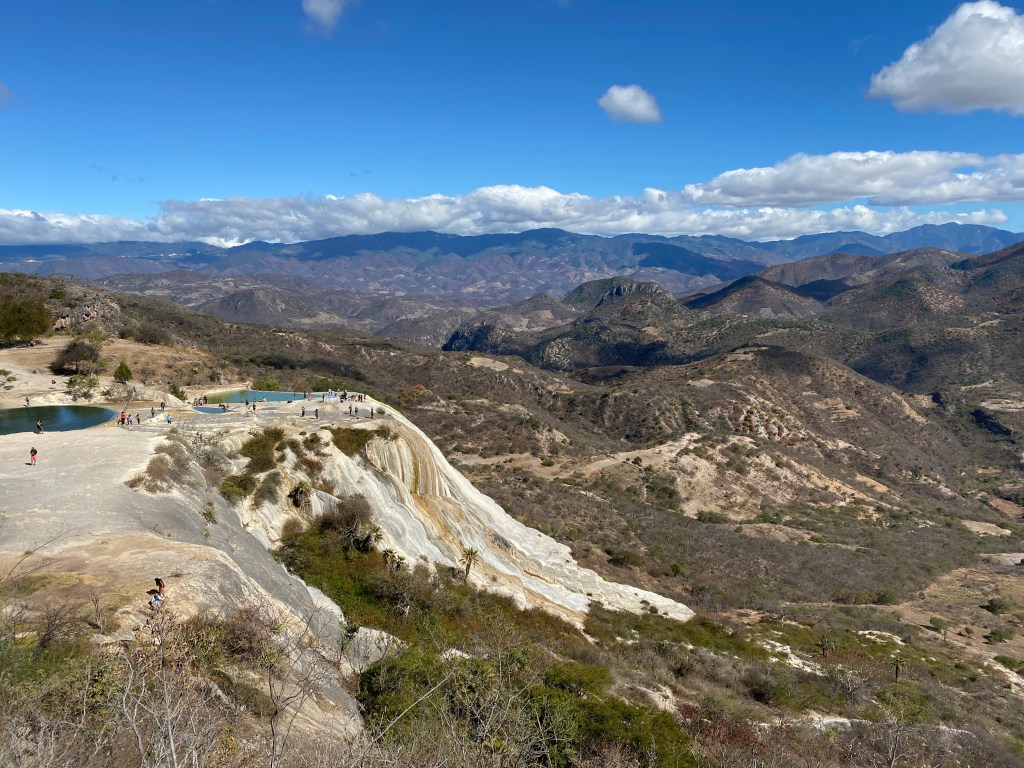
Another highlight was Hierve el Agua. Overly mineral saturated water originating from hot springs spill down the cliffs and petrify creating what looks like a melted cliffside. It’s an easy hike and on a warm day worth bringing a bathing suit. Watch out for the fake toll a couple kilometers before the entrance. It’s right before parking that there is what appears to be a legitimate person charging for entrance.

Bacalar

After Oaxaca I took a flight to Cancún with a layover in Mexico City. I was looking for a low key experience with some natural beauty, but still enough nightlife to have something to do in the evening. I booked a bus ticket with ADO and left early morning from Cancún with a destination of Bacalar.

Bacalar is famous for its cenotes and stromatolites. I visited Cenote Azul and Instagram famous Cenote Cocalitos. Both are worth a visit, but Cocalitos really steals the show. I have never seen a body of water in so many shades of blue and green at the same time. Also, this is a great spot to see stromatolites up close and personal.

A memorable meal I had was at Kai Pez. I ordered fish tacos el pastor as an appetizer and they were so good I wanted to cancel my main. Those tacos changed my life.

Another highlight of Bacalar was the Yak Lake House. Although I didn’t stay there, they were kind enough to give me a visitor wrist band and let me have a drink at their bar. The drinks were very affordable compared to some of the other bars nearby and the liquor to mixer ratio was about 1:1. I made friends fast there.

My luck kept going and one of my new friends from the hostel asked me if I was interested in going to Calakmul. I had no idea what or where that was, but was intrigued. Calakmul turned out to be my favorite part of the entire trip to Mexico.

Calakmul is a Maya archaeological site with an impressive amount of ruins. Endless numbers of structures, including one of the tallest pyramids ever discovered in the region. It’s just shy of 4 hours drive from Bacalar and totally worth the drive. What really sealed the deal for me to go was when I learned you could climb the structures. Climbing Structure II (the tallest) and looking back at Structure I (second tallest) that I had climbed earlier while watching monkeys swing through the trees of the jungle was an unforgettable moment.

Tulum

It seems Tulum has been getting more and more popular with tourists and it’s easy to see why. The beaches are beautiful, the nightlife is great, and there are lots of Maya ruins to visit in the area. I booked an AirBnB that came with a bike. Biking is a great way to get around Tulum.

Beaches are definitely a highlight of Tulum. The jungles pushes right up against them making for beautiful walks along the coast with waves, bobbing boats, and palm trees curving overhead.

One beach option is referred to as the “public beach” area just south of the Tulum Ruins. Playa Santa Fe was full of people laying out on beach towels, swimming, and taking in the vibes. There are lots of small fishing boats anchored here close to shore which adds to the atmosphere. There are beach clubs as well where you can pay to use a beach chair, or just grab food and drinks.

Going further south is an area a lot of people seem to miss out on. You get the impression you’re not welcome unless you’re staying at one of the hotels. You can definitely access the beach, but since just about every inch is fenced off in this area it requires walking through a hotel to get there. Any place that advertises a “beach club” is a good option to use for access to the beach. The deal with most of them is that if you aren’t staying at the hotel, but want to use their beach chairs, you have to wrack up a minimum $50 tab at the restaurant/bar. Papaya Playa Project and The Nest are worth checking out if this option interests you. If you’re not into that, just bring a towel and enjoy much less crowded, and in my opinion, more beautiful beaches for free. Just act like you own the place and walk straight through the hotel and out the back to access the sandy oasis on the other side.

A third beach option is to bring your bathing suit to the Tulum Ruins. The ruins are worth a visit on their own. Be sure to bring cash to buy a ticket. You’ll have a lot of people approach you to skip the line by hiring them as a tour guide. They don’t charge much and seemed to offer some good knowledge, but I opted just to wait in line and wander around myself. Once inside there’s an area where you can access a small beach. I saw a good number of people there, mostly swimming.

Speaking of ruins, I did a day trip to Chichén Itzá. You can easily organize the trip yourself. ADO runs bus service between Tulum and Chichén Itzá. The schedule isn’t that great though. You’ll end up passing a lot of hours after you get dropped off until the afternoon bus picks you back up. I chose to go on a tour.

It was a guided tour consisting of a trip to a cenote, Chichén Itzá ruins, and a colonial town. This all costs you $55 plus a discretionary tip. The entrance to Chichén Itzá plus the roundtrip ADO bus ends up costing roughly this much, so I decided the tour was worth it. There were some downsides, however.

The transportation was in a passenger van, so it was cramped. The tour was done in mixed Spanish and English. A few words would be said in English, then in Spanish. I tuned out for most of it as I found myself decoding both languages and getting fatigued. Lastly, the tour is quite, well, touristy. Before entering the cenote they want you to walk through a gift shop under a tent. They insist you wear a life jacket to swim in the cenote, although I can’t imagine the circumstances one could drown in a crowded pool only a couple feet deep. The last part of the tour is a visit to a colonial town that is so brief it’s hard to justify its inclusion on the tour.

That said, I think the price is fair for what you get. The food at the lunch buffet was not going to win any awards, but it all tasted fine and there was a nice variety of items to choose from. Getting to see Chichén Itzá was definitely great and I made a buddy during the trip, so I didn’t have to be alone the whole time.

A nice way to end the day is by spending an evening in Tulum City and sitting down for a drink at Batey Mojito & Guarapo Bar. Head towards the back, past the Beetle with the sugar cane press mounted on the back and grab a chair at one of the shared tables in front of the stage. Live music gets started around 9pm. It’s a mix of cover bands, original music, and sometimes a Maya show with burned incense and hypnotic drum beats. The cocktails are quite sugary, but that problem is easily solved by ordering shots of Mezcal with your newfound friends at the table.

Closing thoughts

Despite my initial reservations, I had an incredible time traveling around Mexico. I enjoyed so much learning about the Maya culture, hiking in the mountains of Oaxaca, and taking in the supremely beautiful coastline in the Yucatán. Also, driving in this country was a blast. If you’re up for a bit of adventure, I think Mexico is a destination worth considering.

A Beautiful Day in the Neighborhood

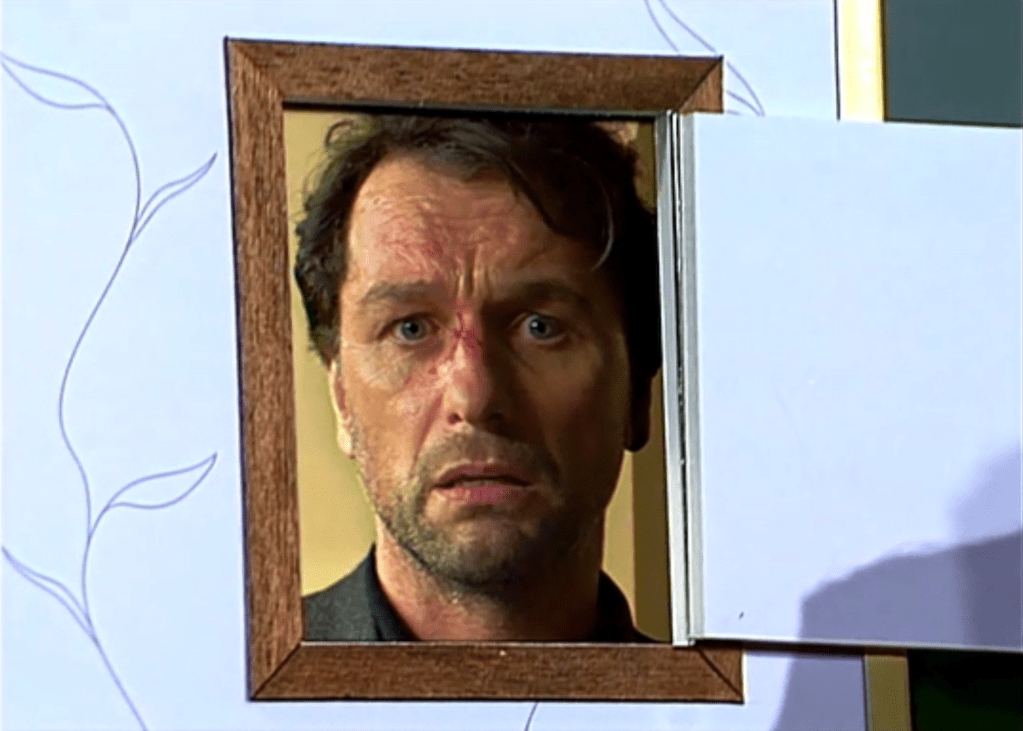
Mr. Rogers Introduces us to Lloyd

Over the Christmas holiday season I went to see A Beautiful Day in the Neighborhood. I had been eager to see it as I always enjoy Tom Hanks and had recently listened to an interview with the director Marielle Heller on Fresh Air. I didn’t grow up watching Mr. Rogers. I was more captivated by the programming on Nickelodeon as a kid.

I do think a movie like this comes along at an opportune time. There were many themes that stood out to me. Love, patience, living up to expectations, acceptance, death, empathy, processing emotions. The movie takes the form of an episode of Mister Rogers’ Neighborhood and in this episode the theme is forgiveness.

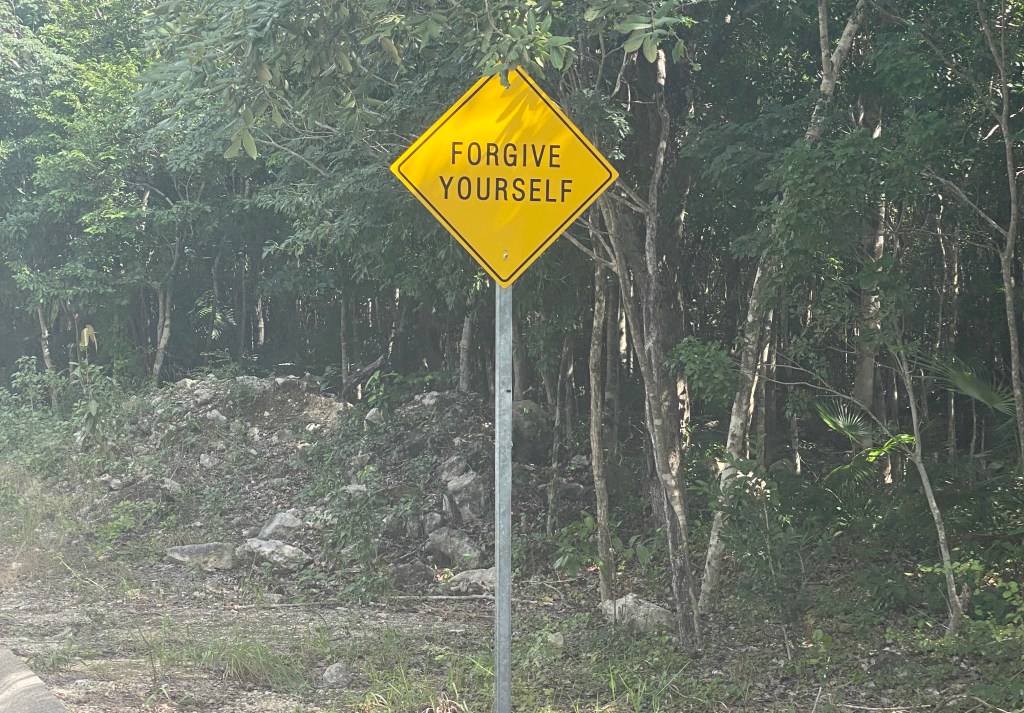
An odd street sign I encountered when biking in Tulum

Mr. Rogers in the film defines forgiveness as “A decision we make to release a person from the feelings of anger we have at them.” He suggests that it’s sometimes hardest to forgive someone we love. This sets up the plot of the movie that follows Lloyd Vogel, a journalist working for the publication Esquire. Lloyd is married to a woman named Andrea and they have a son together named Gavin.

We learn that Lloyd has a complicated relationship with his father. He and his sister, Andrea, lost their mother at a young age. She became ill and during her illness their father was sleeping around and ultimately abandoned the family. Lorraine is getting married and has decided to reach out to her father. Lloyd’s father, Jerry, agrees to attend the wedding. This news is unsettling to Lloyd.

At the wedding Jerry’s behavior is charming at times, but also a bit arrogant. His pride prevents him from confronting his past actions and the pain that he caused his family. The scene at the wedding culminates with an argument between Lloyd and Jerry, resulting in Lloyd punching his father, and a guest at the wedding punching Lloyd in the face. Lloyd’s battered face is how Mr. Rogers introduces his audience to him.

Lloyd crosses paths with Mr. Rogers as part of an assignment. Esquire is doing a piece on heroes and Lloyd has been selected to write a profile on Fred Rogers. We find out Lloyd has a reputation for publishing unflattering pieces about the people he interviews. The role of a journalist in his mind is to “expose truth others cannot see”. Lloyd’s character comes across as a bit cynical. He is weary of people. He knows how painful life can be and is on guard for more of life’s suffering.

Lloyd’s first interaction with Mr. Rogers is on the telephone. Mr. Rogers explains that what his show is trying to offer to kids is, “Being fully present to their feelings and their needs.” He then tells Lloyd, “Do you know what the most important thing is to me right now? Talking on the telephone to Lloyd Vogel.”

My interest in meditation has led me to learn a lot about Buddhism. Although I would not call myself a Buddhist, I find the philosophy behind much of it to be incredibly helpful in my life. Perhaps my recent interest in Buddhism colors my analysis of the Mr. Rogers character depicted in the movie. Mr. Rogers did not come to any conversation with an agenda. He is a careful listener with a high degree of intuition. He is present. A subsequent phone call by Mr. Rogers to the Vogel residence is answered by Andrea. Andrea is fond of Mr. Rogers from watching his show as a child and is a bit flustered when she realizes she is talking to him. She quickly attempts to hand the phone over to Lloyd, but Mr. Rogers takes the opportunity to tell Andrea, “I just want to thank you for sharing Lloyd with us. It can’t be easy with him traveling with Gavin at home.” Mr. Rogers couldn’t know that he would be speaking with Andrea, but finding himself with that opportunity he gives her his full attention and shows empathy towards her.

Lloyd visits Mr. Rogers on the set of his show. When they have the opportunity to sit down and talk Mr. Rogers explains that the aim of the show is, “Trying to give children positive things to do with their feelings.” The conversation quickly turns to Lloyd’s face, which he claimed earlier was from a softball injury. Mr. Rogers calls this explanation into question. Lloyd admits he has been in a fight. Mr. Rogers is surprised by this information and grows even more concerned when Lloyd hesitantly admits the fight was with his father. 

A later interaction between Lloyd and Mr. Rogers takes place at Mr. Rogers’ apartment in New York City. Mr. Rogers begins introducing Lloyd to his puppet friends. Mr. Rogers attempts to bring out a childlike innocence and vulnerability in him when introducing him to Daniel Striped Tiger. Lloyd is unwilling to play along. “Well, maybe Lloyd doesn’t feel like talking today. And that’s okay.” Mr. Rogers believes talking is the only way to work through feelings. Mr. Rogers is seen saying in an old television clip, “I don’t think anybody can grow unless he really is accepted exactly as he is.” Mr. Rogers seems to advocate for surrender. To stop fighting feelings. To stop fighting what the world throws at you. To accept life for what it is and to not be ashamed of your feelings.

Lloyd returns home to a surprise guest. His father has stopped by with his girlfriend, Dorothy. Lloyd does not welcome this situation. Lloyd takes a hardline against his father telling him how terrible it was to be abandoned and for him and his sister to be solely responsible for handling the death of their mother. Jerry becomes emotional and then suffers an episode that leads to his collapse. It’s now clear that Jerry has been reaching out, because he is coming to the end of his life due to a heart condition.

Instead of staying at the hospital with his father, Lloyd heads to Pittsburg to visit Mr. Rogers again on the set of his show. Upon arriving Lloyd himself collapses. Mr. Rogers brings Lloyd to his home to rest and upon waking up takes him to lunch. Before beginning eating Mr. Rogers asks Lloyd to, “Take a minute and think about all the people that loved us into being.” Lloyd views himself as a broken person, but Mr. Rogers does not. It’s at this moment that Lloyd seems to decide that he wants to be a better father to Gavin and part of that process will require him forgiving his father.

Lloyd goes to Jerry’s home to spend time with him in his final days. Lloyd begins to soften towards him. Jerry finally apologizes to Lloyd and tells him he always loved him. Jerry laments, “It’s not fair, you know. I think I’m just now starting to figure out how to live my life.”

It’s absurd how most of us live our lives. We all know that we will one day die, but our actions in the present rarely reflect this fact. So much time is spent giving attention to things that will be utterly meaningless when we are dead. The possessions we seek. The approval of others that we crave. The opportunities we pass up for fear of failure. Our time is so preciously short and what little time we do have is spent in a dreamlike state, chasing things that even if captured will only lead to more chasing.

In one of the final scenes Lloyd, Andrea, and Gavin are at Jerry’s house and Lorraine arrives with her new husband, Todd. A final guest, Mr. Rogers arrives with freshly baked pie in hand. They sit around Jerry’s hospital bed in the living room talking and joking. Jerry alludes to the little time he has left on this earth. The group becomes silent. After some time Mr. Rogers offers, “You know death is something many of us are uncomfortable speaking about. But to die is to be human. And anything human is mentionable. And anything mentionable is manageable.”

There isn’t much willingness for the average person to be vulnerable. I struggle to be emotionally honest and share even with those closest to me how I truly feel. It is scary to let my guard down and admit out loud my personal fears and anxieties. To say them out loud is to make them all the more real. But this is the absurdity that I mentioned. We live in denial all in an effort to shield ourselves from the uncomfortable aspects of life. The desire to protect yourself is completely natural, but to do so at the expense of being fully available to the people that you care about most is to miss the most beautiful parts of life. It’s a futile effort to spare yourself the inescapable pain that is intrinsic to the human experience.

At the start of the movie we meet Lloyd with a battered face. By the end of the movie we find him transformed into a more open and loving person.

I’m not sure I would have wanted to reestablish a relationship with a father that acted the way Lloyd’s did. I think forgiveness can be given while still having boundaries that protect us from destructive people in our lives. Each person must decide for themselves who they want to have in their life and the quality of those relationships. The main message I took from this movie was that our time is tragically short. Instead of holding onto feelings of hurt and anger, we should be brave and do what we need to in order to process our feelings. It’s the only way to make room for love in our heart and to experience joy in our lives.

“There’s no one in the whole world like you and I like you just the way you are.”

A Travel Coffee Kit To Make Seriously Great Coffee Anywhere

My travel coffee kit

Recently I was visiting my family for the holidays. If you enjoy coffee as much as I do,  you may have asked your mom after getting settled in, “Who’s slinging the dopest natty Yirgs around here?”, only to receive a blank stare. Actually, that should get a blank stare from just about anybody, aside from these guys. Seriously though, coffee lovers coming home for the holidays tend to face the same problem: Where can you get a decent cup of coffee so that you don’t have to resort to drinking coffee that originates from a pod labeled “Italian Dark Roast”.

My parents live in a coffee desert. It’s about a 45 minute drive to get a good cup of coffee. Actually, not just good coffee, but impressively great coffee courtesy of Deeply Coffee. If you’re in the Orlando area check them out.

My solution to great coffee each morning is a travel coffee brewing kit. A sub $250 investment will bring you many, many mornings of pure joy while traveling. Once the initial investment is made the only recurring costs are coffee beans and filters. If there isn’t a decent coffee shop driving distance to buy beans at you can order ahead and have some mailed where you’re going.

Let me break my kit down for you.

With these three items you can weigh your beans, grind them, and brew them. All these items fit inside the bag that’s included with the model of AeroPress I have linked to. It’s not an incredibly durable bag, but for me it has been doing the trick for many months. 

Scale, grinder, Aeropress, and filters all fit easily in this bag

It’s all possible thanks to the design of the Aergrind. The Aergrind fits nicely in the AeroPress’s plunger.

The Aergrind was designed to fit perfectly inside the AeroPress

An optional purchase I highly recommend is a travel cup. The 10oz Yeti Rambler fits great in the side exterior pocket of my backpack and doubles as a great chiller for water when I get to the other side of security at the airport.

It’s a bit of a bummer they don’t include the magslider lid, but I consider it an essential upgrade for the cup.

This cup is seriously great. It keeps coffee hot for a couple hours and is an ideal size for brewing with the AeroPress. I bring it with me even when I visit coffee shops if I know I’ll be taking coffee to go. Often shops will give you a discount for saving them a cup.

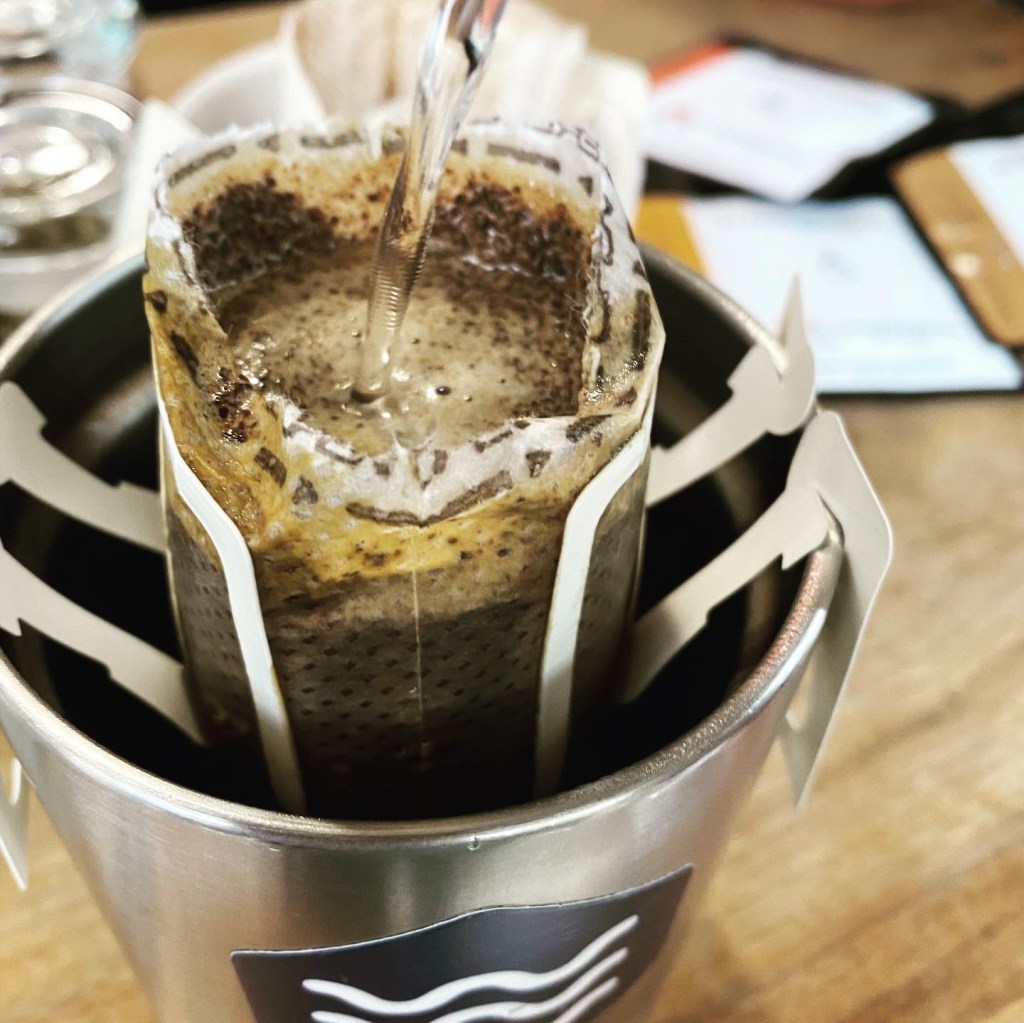
Now, there are other solutions. You could simply add lots of cream and sugar to that pod coffee your folks are serving up. You could become a tea aficionado to broaden your knowledge of caffeinated beverages. There’s even a popular movement in specialty coffee that has many roasters selling tea like pouches with pre-ground coffee inside.

Not a bad option for camping

While those are all options, this kit will allow you to enjoy seriously great coffee anywhere you can heat water.

Taking a Sabbatical When Working in France

“The wind blew along the surface of the sea.”

It’s the above view that I’ll always remember when I first arrived in Paris. And now 3 and a half years later as I took this picture I was saying “goodbye”. Not only to the view, but to my life in Paris. 

I relocated from Ireland to live and work in my dream location. It was in 2008 that I had fallen in love with Paris. After 8 years of pining for this city and all the magic it contained in my mind I had arrived. I started my new life with all my expectations, dreams, hopes, fantasies. None of those ended up mattering much. The experience was the experience. And it marked me in ways I never would have guessed.

I have made a habit of picking up and moving every few years since I first left home at 18 for college. Each place I have lived has made a lasting impression on me. The first months have a steep curve in terms of collecting and enjoying new experiences and after a year the curve flattens out. Eventually I find myself at what I feel is the 90% of what I am capable of experiencing. I could spend my whole life chasing the last 10%. Time is tragically short and life only feels like it’s playing out when I am being challenged and growing.

In February of this year I returned from a trip to California and found a threatening looking letter slipped under my door. It was a legal document explaining that they had attempted to “serve me” notice that I had to vacate my apartment in 90 days. If you have a furnished apartment in Paris that’s the minimum notice they can give to ask you to vacate. 

I had been considering taking some time off from work for awhile at that point. My interest in the coffee industry had been increasingly growing and I had recently started a meditation practice which fascinated me. If I was being forced out of my apartment, it seemed like the decision had been made for me. It was time to step away from my life in Paris and go explore these other interests of mine.

France and their congé sabbatique

Let me take a moment to extol the virtues of working in France. A new employee starts with 25 days paid leave. The work week is 35 hours. Some jobs require working more than 35 hours a week, so as compensation the worker receives compensation days, known as RTT (Réduction du temps de travail). My contract stipulated 18 days RTT. Adding that together along with the public holidays makes for about only 10 months of work per year. It’s like being a teacher. Tell the French that and they laugh. “Our teachers get much more time off than that.”

But wait, there’s more. If you have worked professionally for 6 years and 3 years (consecutive or non-consecutive) at a company you can request a sabbatical leave. The duration of a sabbatical is minimum 6 months and maximum 11 months. At the end of the sabbatical an equivalent job with your company is promised to be waiting for you. This essentially means you might not return to the team you worked on, or be working on the same project, but that you’ll have a job with the same pay and receive any necessary training required to perform the job you return to.

I requested my leave in early March. All that is required is 6 months notice to your employer, your manager’s approval, and some paperwork with HR. Can it be denied? Yes. Depending on the specifics of the company you are working for they can refuse to grant your request. This refusal is really only temporary. If half of your team is out on sabbatical, for instance, they can ask you to wait 6 months. So it becomes not a question of “if”, but “when”. 

Be careful what you wish for

Today I begin my 11 month sabbatical. I’m due back to work December 1st, 2020. My leave is unpaid. An ocean of time has opened in front of me. This has been anxiety inducing.

My last night in Paris before I flew to the US to celebrate the Christmas holiday was spent in an AirBnB in a neighborhood close to where I stayed when I first lived in Paris in 2010. I sat on my bed, feeling like in a tourist in a city I had called home these past years, and all at once it hit me that my time in Paris had run out. Kristen Kimball, in her book The Dirty Life, described what it was like to embrace the notion of being married to her new husband Mark. For her to accept this new life she had to let go of her previous one. To do that there is some mourning that has to take place. My last night in Paris was a night of mourning.

After celebrating the New Year in Fort Lauderdale I’m ready to start the traveling that will occupy most of my time off. My first stop will be Mexico City. From there my travels will take me to Colombia, Chile, Argentina, New Zealand, Thailand, and Japan, to name a few. As I travel I’ll be experiencing what I can related to coffee and meditation. These are two parts of my life that have brought me incredible joy and inspired extreme curiosity. I look forward to all the people I’ll get to share this time with and the new people I’ll meet along the way. 2020 will no doubt be a memorable year.